What Are the Conservation Areas Listed by Solihull Council That Catch People Out?
If you’re weighing up whether to extend your home or move to a new property in Solihull, you’re not alone. The price gap here is nudging many homeowners towards extending rather than moving. But the journey from considering an extension to getting the green light can get unexpectedly complicated — especially when your home sits within one of Solihull Council’s conservation areas.
In this guide, I’m going to walk you through the most commonly overlooked conservation areas in Solihull that trip up homeowners, how understanding local planning rules and costs can make or break your project, and why doing your research upfront — including consulting tools like Solihull Council’s pre-application enquiry and permitted development checks — is essential. I’ll also highlight why moving may cost more than you think, and how you can sanity-check your extension budget using recent data from the Office for National Statistics (ONS) and trusted services like Checkatrade and MyJobQuote.
Conservation Areas in Solihull That Often Catch People Out
Conservation areas are designated to preserve and enhance the historical or architectural character of certain neighbourhoods. Solihull Council has several such areas, many of which are highly sought after. However, these designations often impose additional planning restrictions which can catch homeowners, developers, and even tradespeople unaware.
Here are some of the key conservation areas around Knowle, Olton, Dorridge, Barston, Temple Balsall, and the Station Approach Dorridge area that require extra care when planning extensions.
- Knowle Village Conservation Area: Home to many historic buildings, any exterior changes here require strict adherence to design codes.
- Olton Conservation Area: Though smaller, it has unique features like original brickwork and traditional windows that need careful treatment.
- Dorridge Village Conservation Area: Includes parts near Station Approach where modifications can trigger detailed planning scrutiny.
- Barston Conservation Area: The village’s rural character demands that extensions blend seamlessly with existing architecture.
- Temple Balsall: A conservation area with listed buildings and heritage landscapes where permitted development rights are significantly curtailed.
Failing to account for these restrictions can lead to unexpected refusals, delays, or costly redesigns. Make use of the Solihull Council pre-application enquiry service to get early feedback on your plans. It’s a vital step many homeowners skip at their peril.

Why Solihull’s Price Gap is Driving Extend-Not-Move Decisions
The latest data from the Office for National Statistics (ONS), specifically the May 2026 breakdown of local house prices, confirms what many estate agents and developers already knew: property prices in Solihull are rising rapidly, especially in the prized areas of Knowle, Olton, and Dorridge.
Many homeowners feel trapped by the valuation gap — the difference in price between their current home and the next one up in the market. This “price gap” makes moving up expensive and less appealing, driving a surge in extension projects. Instead of selling and moving, people are investing in their existing homes to create more space and improve value.
Here’s the catch: extensions within conservation areas come with extra costs and planning hurdles, so budgeting correctly and understanding the constraints is crucial.
Extension Costs by Size and Type: Single vs Two-Storey
You’ll often see extension cost estimates bandied about without much context, but these need a sanity check based on size, storeys, and the specific location within Solihull’s conservation zones.
Extension Type Average Cost per m2 (inc. VAT) Typical Size Range (m2) Total Estimated Cost Range Notes Single-Storey Rear Extension £1,800 - £2,300 15 - 30 £27,000 - £69,000 Lower cost but limited height; may still need planning permission in conservation areas Two-Storey Extension £2,200 - £3,000 30 - 60 £66,000 - £180,000 Costs more due to extra structure, building regs, and design; often more scrutiny from plannersNote: These figures include VAT. Watch out for quotes that do not specify this because VAT can add roughly 20% to your budget.
When budgeting, always build in a contingency of at least 10-15% for unexpected costs — especially in conservation areas where specialised materials or heritage consultations may be required.
What Tradesmen and Services to Trust
If you’re unsure about your quotes, services like Checkatrade vet local builders who have experience with conservation area projects. Similarly, MyJobQuote helps you compare quotes transparently, making it easier to pinpoint fair pricing based on your exact project type.
Moving Costs That Add No Space: Stamp Duty and Fees
For many, moving sounds like an easy way to get more space. But the costs solihullobserver.co.uk are often underestimated. Here are some of the main expenses, which do nothing to increase your living area but certainly hit your wallet hard:
- Stamp Duty Land Tax (SDLT): For properties above the threshold (which for Solihull comfortably includes most homes in Knowle, Olton, and Dorridge), this can run into thousands, even tens of thousands of pounds on higher-value properties.
- Estate Agent Fees: Usually 1-3% of the sale price, plus potential VAT.
- Solicitor/Conveyancing Fees: Approximately £1,000-£2,000+, depending on complexity.
- Survey and Valuation Fees: £400-£1,000 for various survey types.
- Removal Costs: £500-£1,500 depending on distance and volume.
These fees add up quickly and can exceed the cost difference of extending — especially when you factor in that the extension adds actual living space and can boost your property’s value long term.
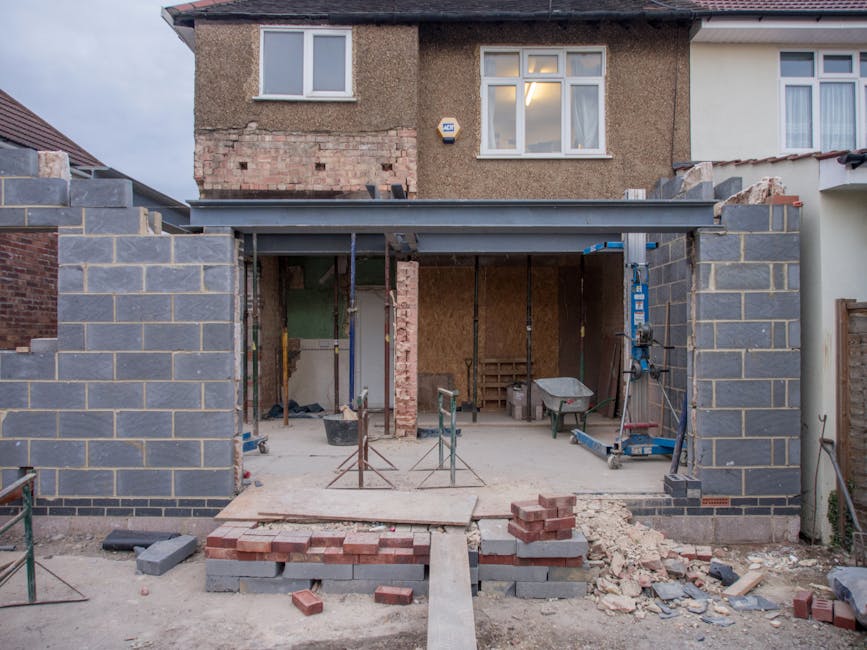
Planning Application and Permitted Development Checks
Before you even start drawing up your plans, run a permitted development rights check to verify what you can DIY or build with minimal planning permission requirements. Remember, in conservation areas, many extensions that would normally be ‘permitted development’ elsewhere may require full planning permission.
Use Solihull Council’s pre-application enquiry service to get tailored advice from planning officers. This will help you avoid common pitfalls like:
- Underestimating the need for Listed Building Consent if your property is listed in a conservation area.
- Design that clashes with local character guidelines, reducing chances of approval.
- Neglecting tree protection orders often present in conservation areas.
What People Forget to Budget For
Having managed dozens of residential extensions in Solihull’s conservation areas, here’s my quick sanity check list of often-forgotten budget items:
- Heritage Consultant Fees: Specialist advice on architectural features or materials may be mandatory.
- Arboricultural Reports: If protected trees are nearby, an arborist’s input is essential.
- Neighbour Notifications and Dispute Resolution: Managing any resistance or objections from neighbours can add to professional fees.
- External Works: Landscaping, paths, and driveway alterations often go hand-in-hand.
- VAT on Services: Confirm with contractors if VAT is included; many forget this can add a significant chunk.
Summing Up: Know Before You Build
If your home is in any of the Solihull conservation areas such as Knowle, Olton, Dorridge, Barston, Temple Balsall, or around Station Approach Dorridge, understanding the extra planning constraints and costs is vital. The allure to extend rather than move is strong, given the local market dynamics and house price data from the ONS, but without thorough research and proper budgeting, what begins as a savvy investment can quickly become an expensive headache.
To avoid surprises:
- Use council tools for pre-application advice and permitted development checks.
- Engage trusted local tradespeople familiar with conservation rules through platforms like Checkatrade or MyJobQuote.
- Include contingency and professional fees for heritage/trees reports.
- Consider all moving costs before deciding a new home is cheaper than extending.
Armed with this knowledge, you’ll be better positioned to make a clear, confident, and well-budgeted decision about your home in beautiful Solihull.