What Should Developers Put in a Bathroom Spec to Avoid Tenant Complaints?
In UK residential development, bathrooms are more than just functional spaces—they're a key driver of property appeal. As anyone who’s toured show homes or studied property listing photography knows, a well-designed bathroom can significantly boost initial impressions and long-term tenant satisfaction. Yet too often, developers fall short on specifying bathroom elements that matter most to tenants, leading to a stream of complaints that could have been avoided with better planning.
This post dives deep into what developers must include in a bathroom specification to keep tenants happy and reduce post-move-in issues. Drawing on insights from industry leaders like Buildington, LED Mirror World, and Forbes Global Properties, we’ll explore the nuances of UK’s often compact bathrooms—where natural light is limited—and the critical balance between task and ambient lighting, as well as the practicalities of reliable fittings and easy maintenance.
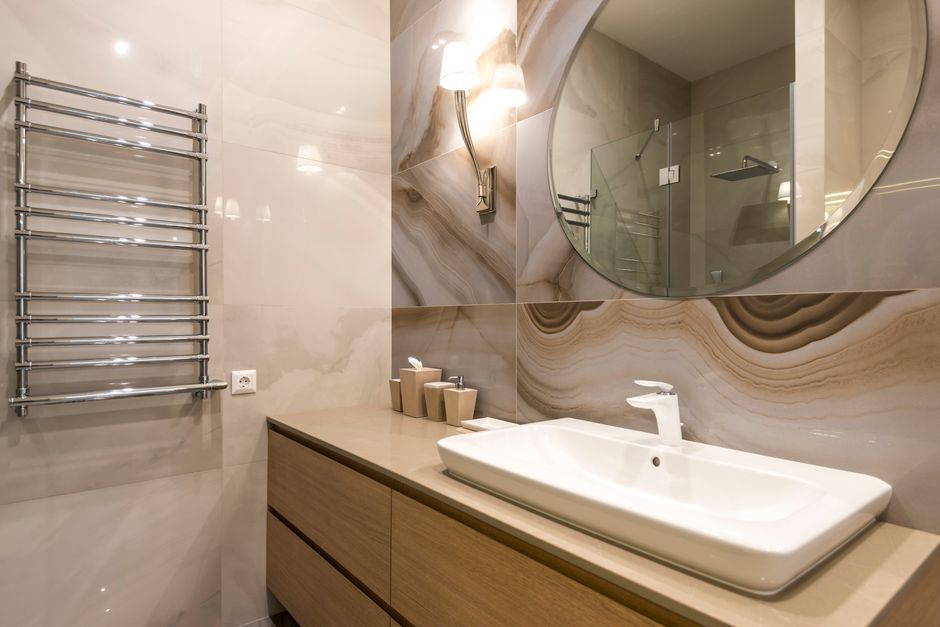
Why Bathrooms Matter So Much in Residential Developments
Buyers and tenants notice bathrooms first for several reasons:
- Bathrooms are one of the few private, personal spaces in a home where cleanliness and quality stand out.
- The bathroom vanity wall is where people linger—the mirror is a frequent focus as they prepare for the day or wind down at night.
- Well-lit, efficient bathrooms contribute to perceived property value, affecting rental desirability and pricing.
According to Buildington, listings that highlight a sleek, functional bathroom with high-quality fittings and lighting tend to perform better in the UK market. At the same time, Forbes Global Properties note that international tenants are particularly sensitive to bathroom specifications since these spaces are non-negotiable in their daily routine.
Challenges of Compact UK Bathrooms with Limited Natural Light
UK residential developments often face size constraints, especially in urban areas. Bathrooms tend to be compact, and external windows are https://dlf-ne.org/can-an-led-mirror-help-with-symmetry-over-a-basin/ sometimes absent altogether, particularly in flats.
These windowless bathrooms introduce two main challenges:
- Ambient lighting deficiencies: Without natural light, bathrooms can feel small, cramped, and uninviting.
- Moisture and ventilation issues: Poor airflow can cause maintenance headaches and tenant complaints over mold.
Hence, good lighting and ventilation become critical. Developers need to select lighting solutions that compensate for the lack of daylight while enhancing the overall ambience.
Task Lighting at the Vanity vs. General Lighting
The key mistake many developers make is treating general bathroom illumination as sufficient. In reality, lighting must be planned per task:
- General lighting: Provides overall illumination, often via ceiling fixtures or recessed downlights.
- Task lighting: Specifically targets areas where tenants perform tasks requiring clarity—most notably, the vanity mirror.
From snagging conversations to buyer walkthroughs, I always pay attention to how task lighting works at the vanity wall because this is exactly where tenants stand for grooming and make-up application. It’s easy to spot shadows cast by poorly placed lights that leave the face unevenly lit.
A good bathroom spec should include well-positioned task lighting fixtures that provide balanced illumination without harsh glare. This can include:

- Wall-mounted sconces flanking the mirror.
- Front-lit LED mirrors.
- Smart dimmable lighting controls for customization.
Front-Lit vs. Backlit LED Mirror Effects
LED Mirror World has become a go-to resource for developers wanting to install contemporary, reliable LED mirrors. These mirrors combine aesthetics with functionality and can be front-lit or backlit.
Mirror Type Description Pros Cons Front-Lit LED Mirrors LED lights embedded around or on the front surface of the mirror face the user directly.- Provides bright, clear task lighting.
- Reduces shadows on the face.
- Ideal for makeup and shaving.
- Tends to have visible light diffusers which some find less sleek.
- Higher power consumption than backlit mirrors.
- Stylish and minimalist look.
- Provides soft, diffused light.
- Energy efficient.
- Less effective as task lighting alone—may require supplemental direct lights.
- Can cast uneven lighting on the face.
From my experience, front-lit LED mirrors combined with overhead ambient lighting create the most tenant-friendly bathroom setup. Prospective buyers and renters immediately notice this quality during show home visits or while viewing property photos, where voids of clear lighting feel uninviting.
Reliable Fittings: What to Prioritize
Bathrooms are high-use spaces prone to wear and tear. Specifying durable, reliable fittings minimizes maintenance calls and tenant complaints post-handover.
Key fitting features to demand include:
- Water-saving, dual-flush toilets that meet current regulations without compromising performance.
- Thermostatic mixer taps and showers for consistent temperature control and safety.
- Easy-to-clean surfaces such as anti-lime-scale ceramic or composite materials for sinks and bath panels.
- Low-maintenance grout and sealants that resist mold and staining.
- Robust towel rails and grab bars securely fixed to withstand everyday use.
Buildington recommends avoiding “buzzwordy” products labeled simply as “luxury” without clarifying why they’re superior. Instead, focus on dependable brands with solid warranties and proven track records in residential settings.
Easy Maintenance Strategies for Long-Term Tenant Satisfaction
Handing over a showroom-fresh bathroom is only half the battle—ease of maintenance is critical for tenant retention and fewer landlord headaches. Incorporate these points into your bathroom specs:
- Moisture control: Install effective extractor fans with appropriate air changes per hour specifications to reduce humidity build-up.
- Accessible fixtures: Choose fittings that allow easy access for repairs—avoid overly sealed or complex units that require specialist servicing.
- Non-slip flooring: Use bathroom flooring materials that combine safety with ease of cleaning, such as textured vinyl or treated ceramic tiles.
- Pre-installed LED lighting: Opt for long-life LED bulbs rather than halogens to reduce replacement frequency. LEDs also operate cooler, reducing heat damage risks.
Final Thoughts: Integrating Expert Insights to Reduce Complaints
Bringing the bathroom spec right—from lighting to reliable fittings and easy maintenance—directly impacts tenant satisfaction and the property's market success. Developers should invest time alongside tools like property listing photography and show homes to assess how design decisions play out in reality. Visual clarity in photos is especially key for build to rent bathroom spec marketing, highlighting bathroom appeal in a crowded market.
Incorporating expert resources such as LED Mirror World’s lighting innovations, Buildington’s market insights, and Forbes Global Properties’ understanding of tenant priorities can guide developers away from costly mistakes and towards specifications that hold up in everyday use.
Remember: the bathroom vanity wall is where tenants spend time daily, so prioritizing task-specific lighting and reliable, low-maintenance fittings there is non-negotiable. After all, a well-lit, well-built bathroom isn’t just a checklist item—it’s a contributor to tenant happiness, market value, and ultimately, your project's reputation.